
- There are no more items in your cart
- Shipping
- Total €0.00
How to choose the right electric auxiliary heater

When temperatures drop and your main heating system struggles to maintain even heat in all rooms, electric auxiliary heating is a practical and effective solution. Whether you want to heat up a guest room quickly, create extra comfort in your office or add to your existing installation, choosing the right appliance requires careful thought. We can help you find the ideal electric auxiliary heater. We'll explore the different technologies available, their respective advantages, essential selection criteria and best practices for optimizing your comfort while controlling your energy consumption.
Contents
- Understanding the role of electric auxiliary heating
- Ideal situations of use
- The benefits of electric auxiliary heating
- The different technologies of electric auxiliary heating
- The fan heater: fast and practical
- The mobile convector: simplicity and accessibility
- The oil-bath radiator: gentle, long-lasting warmth
- Radiant heaters or radiant panels: targeted efficiency
- Infrared heaters: innovative technology
- Essential criteria for choosing your auxiliary heater
- Calculate power requirements
- Assessing energy consumption
- Prioritizing safety features
- Consider the noise level
- Examine practical features
- Adapt your choice to the intended use
- For the bathroom
- For the bedroom
- For living rooms and living areas
- For offices and workspaces
- For poorly insulated rooms
- Optimize use and save money
- Strategically positioning the device
- Intelligent heating programming
- Combine with other solutions
- Identifying unsuitable situations
- Maintenance and service life
- Regular maintenance
- Off-season storage
- Recognizing signs of wear
- Common mistakes to avoid
- Oversizing and undersizing
- Obstruction of ventilation grilles
- Prolonged use at maximum power
- Neglect of maintenance
- Current innovations and trends
- Connectivity and artificial intelligence
- Presence detection and automatic adaptation
- Integration of environmental sensors
- Eco-responsible materials and recyclability
- Conclusion: making the right choice for your comfort
Understanding the role of electric auxiliary heating
An electric auxiliary heater is a mobile or fixed heat-generating device designed to complement a main heating system. Unlike a central heating system, it is not designed to heat an entire dwelling on a permanent basis, but to meet specific, localized needs.
Ideal situations of use
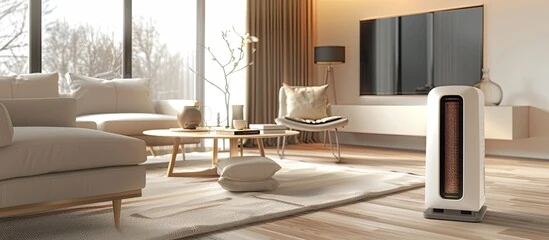
Electric auxiliary heating excels in a number of specific contexts. It can be used to quickly warm a little-used room, such as a guest room, when guests arrive, without having to turn up the thermostat for the whole house. In spaces that are difficult to heat, such as conservatories or converted garages, it provides an effective solution without the need for complex installation work.
During the off-season, when temperatures fluctuate and central heating is not yet required, an auxiliary heater creates targeted comfort in occupied rooms. It's also an excellent option for people who are cold and want to raise the temperature in their workspace or living room without affecting the rest of the home.
The benefits of electric auxiliary heating
Electric auxiliary heating has a number of considerable advantages that explain its growing popularity. Installation couldn't be simpler: simply plug it into a standard electrical outlet and it's ready for immediate use, without the need for work or professional intervention.
Mobility is another major advantage. Most models are equipped with carrying handles or castors, making them easy to move from room to room as required. This flexibility offers comfort on demand, exactly where you need it.
The initial investment remains affordable, making it an affordable solution for many households. The diversity of models also means that there's a heater to suit every configuration and budget, from small, compact fan heaters to more sophisticated inertia radiators.
In terms of safety, recent models feature advanced protection systems: automatic shutdown in the event of tipping, overheating protection, and on some top-of-the-range models, carbon monoxide detection. These features guarantee peace of mind in everyday use.
The different technologies of electric auxiliary heating
The market offers a wide variety of technologies, each with specific characteristics adapted to different uses. Understanding these distinctions will help you make an informed choice.
The fan heater: fast and practical
The fan heater, also known as a ceramic heater when it uses a ceramic element, works by heating the air with an electric resistance before propelling it into the room via a built-in fan. This technology offers a particularly rapid temperature rise, ideal for occasional use.
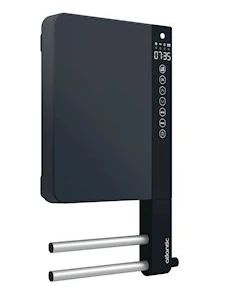
These devices are excellent for small spaces that need immediate heat, such as bathrooms where you want a pleasant temperature for your morning shower. Their compact size makes them easy to store when not in use, and their purchase price remains very affordable.
Models equipped with PTC ceramic technology offer additional advantages: they self-regulate their temperature, consume less energy than traditional metal resistors, and offer greater durability. The ceramic surface also stays cooler to the touch, reducing the risk of burns.
However, there are a few drawbacks to consider. The fan generates a noise that can be disturbing when used for long periods, especially in quiet bedrooms or offices. Once switched off, the unit stops heating immediately, retaining no residual heat. For large rooms over 20 square meters, their efficiency remains limited.
The mobile convector: simplicity and accessibility
The mobile convector is one of the most widespread technologies on the market. Its operating principle is based on natural air circulation: cold air enters at the bottom of the unit, heats up on contact with electric resistors, then rises naturally to spread heat around the room by convection.
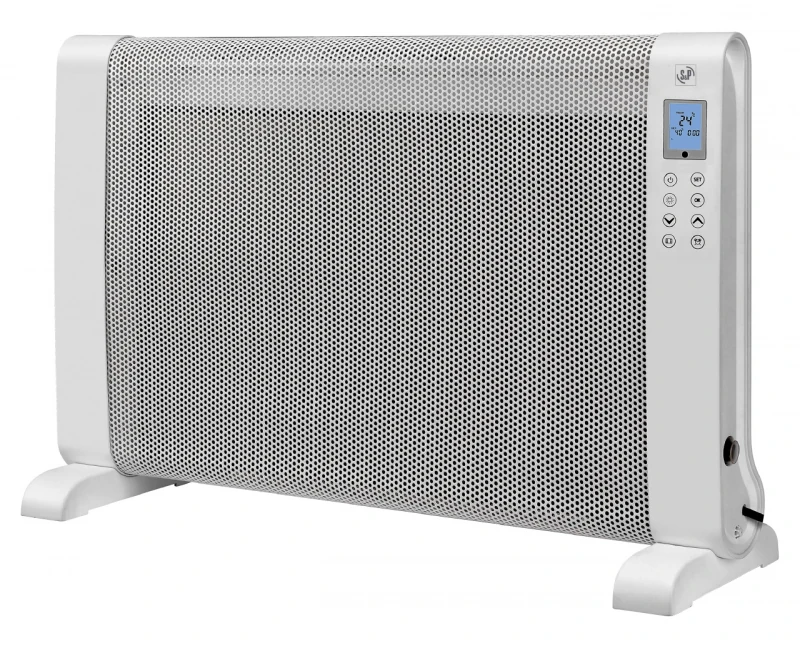
This technology is attractive for its ease of use and attractive price. Convectors rapidly heat the ambient air and are particularly suitable for medium-sized rooms, up to around 20-25 square meters. Their quiet operation makes them a welcome option for bedrooms and workspaces.
The main limitations of convectors are their relatively high energy consumption and their tendency to dry out the ambient air. Convection heating also creates air stratification, with warmer air at higher levels and cooler air at ground level. This uneven distribution can create a feeling of discomfort, particularly in rooms with high ceilings.
The oil-bath radiator: gentle, long-lasting warmth
The oil-bath radiator is a particularly efficient mobile inertia heating solution. The unit contains a heat transfer fluid, usually mineral oil, which is heated by an electrical resistor. Once the oil has reached temperature, it continues to radiate heat long after the appliance has been switched off.
This technology excels in producing gentle, even heat, creating a sensation of comfort akin to that of a central radiator. Thermal inertia delivers substantial energy savings: the appliance operates in spaced heating cycles rather than continuously, and residual heat continues to be released even after the thermostat has been switched off.
Oil-bath heaters run perfectly quietly, as they don't require a fan. This characteristic makes it a preferred choice for rooms and spaces requiring calm. They are also suitable for prolonged use in medium to large rooms, up to 30 square meters for the most powerful models.
The main disadvantage is the time it takes to warm up, which is considerably longer than for a fan heater. Allow 15 to 30 minutes for optimum thermal comfort. These units are also bulkier and heavier than other types of auxiliary heaters, which can make them difficult to move around, despite their castors.
Radiant heaters or radiant panels: targeted efficiency
Radiant heaters work on a different principle from previous technologies. Instead of primarily heating the air, it emits infrared rays that directly heat objects, walls and people in the room. This approach is reminiscent of the way the sun works, providing an immediate and pleasant sensation of warmth.
Energy efficiency is the major advantage of this technology. By heating bodies and surfaces directly rather than the air, radiant panels reduce heat loss and offer greater efficiency than conventional convectors. The feeling of comfort sets in quickly, long before the ambient air reaches the target temperature.
These units are particularly suitable for medium to large-sized living areas, up to 35 square meters for the most powerful models. Their quiet operation and often uncluttered design allow them to blend harmoniously into any interior. Radiant heaters don't dry out the air, maintaining a comfortable level of humidity.
The acquisition cost is in the intermediate range, and it should be noted that the effectiveness of radiant heat requires a certain proximity to the appliance, and can be hampered by obstacles such as furniture placed in front of the radiator.
Infrared heaters: innovative technology
Infrared heaters represent the latest development in electric auxiliary heating. They emit long-wave infrared rays that lightly penetrate surfaces and bodies, creating a deep, enveloping sensation of warmth.
This technology stands out for its exceptional energy efficiency, consuming up to 30% less energy than a traditional convector for equivalent comfort. The temperature rise is almost instantaneous, although the ambient air takes longer to warm up. Infrared heaters perfectly preserve air quality, without drying out or creating air movements that raise dust.
These units excel in large spaces, rooms with high ceilings where convection heat is lost overhead, and environments requiring targeted heating such as workstations in workshops or garages. Some outdoor models even extend the use of terraces on cool evenings.
The initial investment remains higher, with prices starting at around 80 euros and rising to several hundred euros for top-of-the-range models. Infrared heaters also require fixed or semi-fixed installation for wall-mounted models, reducing their mobility compared with other types of auxiliary heating.
Essential criteria for choosing your auxiliary heater
Beyond the type of technology, there are several criteria that determine the suitability of an auxiliary heater for your particular situation. A methodical analysis of these elements guarantees a purchase tailored to your real needs.
Calculate power requirements
Power is the most important criterion for choosing a supplementary heater. Insufficient power will leave your room uncomfortably cold, while excessive power will lead to unnecessary over-consumption and inflated running costs.
As a rule of thumb, we recommend around 100 watts per square meter for a properly insulated room with a standard ceiling height of 2.5 meters. So, for a 15-square-meter bedroom, aim for a unit with at least 1500 watts. For a 20-square-meter room, opt for a 2000-watt model.
This rule needs to be adjusted according to several factors. In a poorly insulated room, with single-glazed windows or significant thermal bridges, increase power by 20 to 30%. Conversely, in a well-insulated, south-facing room, you can slightly reduce the power required. Ceiling height also plays a role: above 2.8 metres, increase power by around 10% for each additional metre.
Assessing energy consumption
Electricity consumption has a direct impact on your energy bill and is a key criterion, especially if you plan to use your auxiliary heating system regularly.
With the regulated electricity rate estimated at around 0.20 euros per kilowatt-hour, a 2000-watt radiator running at full power costs around 0.40 euros per hour of use. Based on three hours' use per day during a winter month, this represents a monthly surcharge of around 36 euros on your bill.
Inertia technologies such as oil-bath or infrared radiators can significantly reduce this consumption thanks to their intermittent operating cycles and greater energy efficiency. A PTC ceramic radiator also consumes less energy than a conventional convector for equivalent heat.
To optimize consumption, choose appliances with an adjustable thermostat that automatically maintains the desired temperature without wasting energy. Models with timers or programming also allow heating only during periods of occupancy, thus avoiding unnecessary consumption.
Prioritizing safety features
Safety should never be overlooked when choosing an electric auxiliary heater. Norms impose strict safety standards, but not all devices offer the same level of protection.
The automatic tilt stop system is an indispensable feature, especially in households with children or pets. Current standards require a stop in less than three seconds, whatever the angle of fall. This device effectively prevents the risk of fire in the event of accidental spillage.
Overheating protection is another essential safety feature. A safety thermostat automatically cuts the power supply if the internal temperature of the appliance becomes excessive, preventing the risk of combustion or melting of components. This function is activated, for example, if the ventilation grilles are obstructed by fabric or other objects.
For bathrooms and wet rooms, make sure that the device has a minimum IPX4 protection rating, guaranteeing resistance to splashing water. A built-in earth leakage circuit breaker provides additional protection against electric shock.
Also check for CE and NF Électricité Performance certification, attesting that the appliance complies with European and French safety standards. For connected models, Cyber-security certification guarantees that security functions cannot be remotely deactivated by hackers.
Consider the noise level
The noise generated by an auxiliary heater can quickly become a nuisance, especially when used for extended periods in quiet spaces such as bedrooms or offices.
Blower radiators generally produce the highest noise levels, between 40 and 60 decibels depending on the model, due to the fan required to distribute the hot air. This noise level remains acceptable for occasional use in a bathroom, but can become annoying over several hours.
Convectors, oil-bath radiators and radiant panels operate perfectly silently, producing only a slight click when the thermostat is activated. These technologies are ideally suited to bedrooms and workspaces requiring quiet.
Some oil-bath heaters may emit a slight "crackling" noise when heating up, similar to the sound of a deep-fat fryer. This phenomenon, caused by oil expansion, is generally unobtrusive and ceases once the operating temperature has been reached.
Examine practical features
Additional features turn a simple auxiliary heater into an appliance that's truly adapted to your everyday life. An adjustable thermostat lets you set the exact temperature you want, with the unit automatically switching off and on again to maintain this level of comfort without manual intervention.
The timer or timer programmer offer appreciable ease of use. You can program the heater to start an hour before you wake up to find the bathroom already warm, or set it to switch off automatically after you fall asleep, avoiding unnecessary night-time consumption.
An eco mode automatically adjusts heating power to optimize energy consumption while maintaining acceptable comfort. Some advanced models even incorporate artificial intelligence that learns your heating habits to anticipate your needs.
Connected functions, increasingly present on recent models, enable remote control via smartphone. So you can turn on the heating before you get home, adjust the temperature without getting out of bed, or receive alerts in the event of a problem. Presence detection, present on some top-of-the-range appliances, automatically adjusts heating according to room occupancy.
Mobility is another practical aspect to consider. Ergonomic handles or castors make it easy to move between rooms. Also check the length of the power cable: a cord that's too short limits positioning options and may require the use of an extension cord.
Adapt your choice to the intended use
Each room in your home has its own specific needs and constraints, which will influence the choice of the most appropriate auxiliary heating system.
For the bathroom
The bathroom requires fast, targeted heating, combined with strict safety standards due to the ambient humidity. An IPX4-certified fan heater is the ideal solution. Its ability to produce immediate heat during the short duration of your shower or bath makes it particularly economical despite its high instantaneous consumption.
Choose a compact model that's easy to position on a shelf or cabinet, and check for the presence of a safety thermostat. A wattage of 1000 to 1500 watts is generally sufficient for a standard bathroom. Fixed wall-mounted models avoid any risk of contact with water and free up floor space.
For the bedroom
In a bedroom, silence and gentle heat are more important than rapid heating. An oil-bath radiator or radiant panel is the optimal choice. Start heating an hour before bedtime to find a comfortable temperature, then maintain a moderate temperature throughout the night with the thermostat.
Inertia heaters continue to deliver gentle warmth even after they've been switched off, avoiding the sudden temperature changes that can disrupt sleep. Wattage adapted to the size of the room, generally between 1500 and 2000 watts for a standard bedroom, ensures optimum comfort without over-consumption.
Avoid fan heaters in the bedroom at all costs: the noise of the fan and the constant stirring of the air disturb sleep and dry out the mucous membranes, causing sore throats and respiratory irritation when you wake up.
For living rooms and living areas
Living rooms are ideally heated evenly and comfortably for long periods. A radiant or infrared heater offers the best compromise between efficiency, comfort and energy savings. These technologies efficiently heat large volumes without creating thermal stratification.
For a living room of 25 to 30 square meters, aim for at least 2500 watts. If possible, opt for two medium-power devices rather than one very powerful one: you'll get a more even spread of heat and be able to heat specific areas as required.
A high-powered oil-bath radiator is also an excellent option for living rooms, particularly appreciated for its gentle warmth and quiet operation, allowing you to watch TV or chat without discomfort.
For offices and workspaces
An office requires targeted, efficient and silent heating to ensure that concentration is not disturbed. An adjustable infrared radiator directs heat precisely to your workstation, creating a bubble of comfort without needlessly heating the whole room.
A ceramic fan heater may also be suitable if the noise level remains moderate and the office is only occupied for a few hours a day. Choose models with low-noise modes and precise thermostats to maintain a constant temperature for productivity.
In an open space or coworking area, opt for totally silent inertia solutions such as oil-bath radiators or radiant panels that won't generate any noise pollution for your colleagues.
For poorly insulated rooms
Verandas, converted garages, workshops and other spaces with little insulation require a different approach. High heat losses make conventional convectors inefficient and very expensive to run. A high-power infrared radiator is the most appropriate solution: by heating people and objects directly, rather than rapidly escaping air, it maintains an acceptable level of comfort despite poor insulation.
Calculate a power rating at least 30% higher than the standard recommendations. For a poorly insulated 20-square-meter workshop, a 2500 to 3000-watt appliance will not be superfluous. Also consider high-mounted infrared radiators, which avoid floor clutter and distribute heat more evenly.
Optimize use and save money
Having an efficient auxiliary heater isn't enough: using it intelligently maximizes your comfort while minimizing the impact on your energy bill.
Strategically positioning the device
The location of your auxiliary heater has a direct influence on its efficiency. Avoid placing it in front of a window or door: you'll heat the outside more than the inside. Position it on an interior wall, ideally opposite areas of heat loss, to create a curtain of warm air.
Maintain a minimum safety distance of one meter from curtains, furniture and flammable materials. This precaution not only prevents the risk of fire, but also ensures better air circulation around the appliance, optimizing its performance.
For radiant and infrared heaters, orient them towards occupied areas. As these technologies heat surfaces and people directly, their effectiveness is highly dependent on orientation. In an office, point the radiator towards your workstation; in a living room, point it towards the sofa and armchairs.
Never place an auxiliary heater in a closed, unventilated room, especially a bathroom without windows or mechanical ventilation. Although electric heaters do not produce carbon monoxide, proper ventilation prevents excessive humidity build-up and maintains satisfactory air quality.
Intelligent heating programming
The use of a thermostat and time programming radically transforms the consumption of your auxiliary heating system. Rather than letting the appliance run continuously at full power, the thermostat automatically maintains the desired temperature by alternating between heating phases and shut-down periods.
Set the thermostat to a reasonable temperature: each additional degree increases consumption by around 7%. A temperature of 19°C in the living areas and 16-17°C in the bedrooms ensures satisfactory comfort while keeping costs under control. For chilly people, it's better to put on an extra sweater than to turn up the thermostat to 22°C.
Program the heating system to operate only during occupied periods. There's no need to heat an empty room all day: start heating one or two hours before you return to find a comfortable temperature. Use the timer to switch off the unit automatically when you fall asleep, if you don't need night-time heating.
Combine with other solutions
Auxiliary heating is most effective when integrated into an overall thermal management strategy. Close the doors of heated rooms to prevent heat escaping into unused areas. This simple habit can reduce the consumption needed to maintain a comfortable temperature by up to 20%.
At night, close the shutters and draw the curtains to create extra insulation around the windows, the main sources of heat loss. Thick or thermal curtains enhance this effect. You can also install door sweeps to block cold draughts.
Ventilate rooms daily, but briefly and efficiently. five to ten minutes of full ventilation is enough to renew the air without cooling walls and furniture. Turn off the heating during ventilation to avoid wasting energy.
Maintain your auxiliary heater regularly: dust the air vents, clean the filters if present, and check the power cable. A clean, well-maintained machine operates more efficiently and safely.
Identifying unsuitable situations
Electric auxiliary heating is not the universal solution to all heating needs. If you find that you use your appliance daily for several hours throughout the cold season, this probably indicates an insulation problem or an undersized central heating system. In this case, energy renovation work or upgrading the main system will prove more profitable in the long term.
For continuous heating of a large room, a fixed electric inertia radiator or an extension to the central heating system will offer greater efficiency and superior comfort. As the name implies, auxiliary heating is an occasional supplement, not a primary heating solution.
Maintenance and service life
A well-maintained auxiliary heater not only lasts longer, but also operates more safely and efficiently.
Regular maintenance
Before each heating season, visually inspect your unit. Check the integrity of the power cable and plug: no burns, damage or bare wires should be visible. Test the thermostat and the various heating modes to make sure everything is working properly.
Regularly remove dust from the ventilation grilles and external surface of the unit. Accumulated dust reduces the efficiency of heat diffusion and may cause unpleasant burning smells when first used. Use a vacuum cleaner with a soft brush or slightly damp cloth, with the unit unplugged and completely cooled down.
For fan heaters, clean or replace filters according to manufacturer's recommendations. A clogged filter reduces air flow and forces the fan motor, increasing power consumption and accelerating wear.
Off-season storage
At the end of the heating season, clean the unit thoroughly before storing. Wind the power cable without bending it excessively to avoid damaging the internal wires. Store the heater in a dry, clean place, away from moisture which could corrode the electrical components.
Keep the operating instructions and warranty certificate in a safe place. These documents will be useful in the event of a problem, or to check technical specifications if you're moving to a home with different requirements.
Recognizing signs of wear
Certain signals should alert you to the fact that it's time to replace your unit. Unusual noisy operation, persistent burning smells after cleaning, excessively hot cables or thermal protection tripping suggest an internal problem.
If the unit no longer heats evenly, the thermostat no longer responds correctly, or you notice significant temperature fluctuations, you should also consider replacing it. Attempting to repair an electric heater yourself involves considerable risk, and is not usually cost-effective.
Appliances that are more than ten years old, even if they are still working, generally consume more than recent models with more efficient technologies. Replacing it with a modern unit can pay off in the medium term, thanks to the energy savings achieved.
Common mistakes to avoid
Even with the best equipment, certain practices compromise the efficiency, safety and durability of your installation.
Oversizing and undersizing
Choosing the wrong wattage is the most common mistake. An appliance that is too powerful for the room to be heated will operate in very short cycles, switching on and off constantly. These repeated cycles place excessive stress on electronic components, reducing the unit's lifespan. What's more, the temperature fluctuates constantly, creating thermal discomfort.
Conversely, an undersized heater runs continuously at maximum power without ever reaching the set temperature. This situation generates maximum power consumption without providing the expected comfort, and is frustrating and costly.
Obstruction of ventilation grilles
Covering vents, even partially, with clothes to dry them, or placing the heater too close to furniture, is a major hazard. This practice prevents the air circulation needed to cool internal components, triggering thermal protection in the best-case scenario, or causing a fire in the worst-case scenario.
Always respect the safety distances recommended by the manufacturer, generally at least 50 centimetres at the front and 10 centimetres at the sides and rear. Never try to speed up the drying of wet clothes by placing them on a radiator: use a drying rack at a reasonable distance.
Prolonged use at maximum power
Running an auxiliary heater continuously at maximum output for long periods considerably accelerates its ageing process. Electrical components are under constant thermal stress, which reduces their lifespan. What's more, this use maximizes your electricity consumption without necessarily improving your comfort.
Instead, use the thermostat to maintain a stable temperature with intermittent operating cycles. This approach preserves the unit, reduces consumption and provides more stable thermal comfort.
Neglect of maintenance
Delaying the cleaning and maintenance of your auxiliary heating system indefinitely gradually reduces its efficiency and increases the risk of malfunction. Accumulated dust creates a thermal barrier that forces the unit to run longer to produce the same heat. Clogged filters reduce air flow and overload the motor.
Make the maintenance of your auxiliary heaters part of your seasonal routine: a cleaning in early autumn before first use, and another in spring before summer storage.
Current innovations and trends
The auxiliary heating market is constantly evolving, incorporating increasingly sophisticated technologies to enhance comfort, safety and energy efficiency.
Connectivity and artificial intelligence
Connected models account for a growing share of the market. These devices communicate with your smartphone via a dedicated app, enabling complete remote control: switch on, switch off, set temperature and schedule from anywhere.
Some top-of-the-range models incorporate artificial intelligence that gradually learns your habits. The device anticipates your heating needs based on your daily routine, usage history and even the weather. This automatic optimization improves comfort while reducing energy consumption by up to 25%, according to manufacturers.
Compatibility with voice assistants also means you can control the heating system by voice command, particularly useful when you're comfortable and don't want to get up to adjust the temperature.
Presence detection and automatic adaptation
Presence sensors are a particularly interesting innovation for intermittent spaces such as offices or guest rooms. The device automatically detects human presence and adjusts its heating power accordingly. When the room is unoccupied, it switches to standby mode or reduced temperature, thus avoiding energy waste.
Some advanced models even analyze movement to distinguish between a simple crossing of the room and prolonged occupancy, thus refining their thermal response.
Integration of environmental sensors
New-generation auxiliary heaters can incorporate sensors to measure air quality, humidity and even CO2 levels. This data is used not only to optimize device operation, but also to alert the user in the event of ventilation problems or poor air quality.
Some models emit a beep or smartphone notification when humidity levels become too low due to heating, suggesting the use of a humidifier or brief airing.
Eco-responsible materials and recyclability
Environmental awareness also influences appliance design. Manufacturers are increasingly using recycled plastics for hulls, designing products that can be easily disassembled to facilitate end-of-life recycling, and reducing packaging.
Some brands now display the carbon footprint of their products, enabling environmentally conscious consumers to make informed choices. Enhanced energy labels indicate not only power consumption, but also the overall environmental impact of manufacture and use.
Conclusion: making the right choice for your comfort
Choosing the right electric auxiliary heater requires careful analysis of your specific needs, space constraints and budget. By understanding the different technologies available and their respective characteristics, you can identify the solution best suited to each room in your home.
Always prioritize safety by checking certifications and protective devices. Choose the right size for the surface area to be heated and the insulation of your home. Consider the intended use: one-off or prolonged, in a quiet or busy room, requiring rapid heat-up or gentle, constant heat.
Don't forget that the purchase price is only part of the investment: energy consumption over the lifetime of the machine often accounts for a much larger share of the total cost. A more expensive but more energy-efficient appliance may prove more economical in the long term.
Finally, use your auxiliary heating sensibly and maintain it regularly. This approach guarantees not only your safety and comfort, but also the sustainability of your investment and the control of your energy bill.

Product categories
The domeashop store offers product categories related to this item to provide you with more information about the product(s) you are looking for. Don't hesitate to contact us for advice from our specialists.
Frequently asked questions
The domeashop store offers you a list of questions and answers corresponding to the most frequently asked questions related to the theme and products discussed in this article. If you can't find the answer you're looking for, contact us and our specialists will be happy to help.
Supplementary heating is designed to complement an existing main heating system, not to replace it. It heats a specific room for limited periods, whereas a main heater ensures an even temperature throughout the home on a permanent basis. Using an auxiliary heater as the sole heating solution for an entire dwelling is very energy-intensive and uncomfortable, as these appliances are not designed for this purpose.
The monthly cost depends on the wattage of the appliance, the duration of daily use and the electricity rate. With a 2000-watt appliance used 3 hours a day for 30 days and a rate of 0.20 euro per kWh, you'll pay around 36 euros a month. To reduce this cost, opt for more efficient PTC inertia or ceramic heaters, systematically use the thermostat, and limit operating time to periods of occupancy only.
PTC infrared and ceramic radiators are among the most economical in terms of energy consumption. Thanks to their thermal inertia, oil-bath radiators also consume less than conventional convectors, as they operate in intermittent cycles. At the same power rating, the difference in consumption can be as much as 20 to 30%, depending on the technology and operating conditions. Actual efficiency also depends on the quality of the room's insulation and the judicious use of the thermostat.
Technically, modern auxiliary heaters equipped with thermostats and thermal protection can operate safely at night. However, this practice is generally not recommended for a number of reasons: high power consumption, dry air impairing sleep quality, and increased risk of malfunction during sleep. If you need night-time heating, opt for an inertia radiator with a thermostat set to a moderate temperature (16-17°C), and make sure it has all the necessary safety certifications.
For a properly insulated 20-square-meter room with standard ceiling height, aim for an output of around 2000 watts (100 watts per m²). If the room is poorly insulated, has single-glazed windows or faces north, increase the power to 2500 watts. Conversely, for a well-insulated, south-facing room, 1500 to 1800 watts may be sufficient. Choose an appliance with an adjustable thermostat rather than a more powerful model without regulation: you'll get greater comfort while consuming less.
Unlike gas or oil-fired models, electric auxiliary heaters do not produce carbon monoxide or combustion gases, making them inherently safer for your health. However, certain side effects can occur: drying out of the ambient air, causing irritation of the respiratory tract and skin, dust being stirred up by the convectors, which can aggravate allergies, and odors being emitted when the unit is first used if it is dusty. To minimize these effects, ventilate daily, maintain a sufficient level of humidity with a humidifier if necessary, and clean your unit regularly.
Unplugging your auxiliary heater when not in use for several days or weeks is indeed recommended. This precaution eliminates any risk of phantom power consumption, however small, and protects the device against electrical surges that may occur while you're away. What's more, this prevents even the theoretical risk of malfunction or fire. For an interruption of just a few hours, switching off the device via the on/off switch is sufficient, but unplugging remains the safest practice.
The lifespan of an electric auxiliary heater varies considerably according to the quality of manufacture, intensity of use and care taken. An entry-level device used on a daily basis will generally last 3 to 5 years, while a top-quality model that is well-maintained and used occasionally may last 10 to 15 years. Oil-bath radiators and radiant panels, with no moving parts, tend to last longer than blowers, whose fan is a weak point. Regular maintenance, including cleaning and observance of operating conditions, significantly extends service life.
Yes, but only with a device specifically designed for this purpose, with a minimum protection rating of IPX4 to guarantee resistance to splashing water. Position the appliance at a sufficient distance from the shower or bathtub to comply with regulatory safety zones (generally more than 60 cm from any water point). Fan heaters are the best choice for bathrooms, thanks to their rapid temperature rise. Never touch the device with wet hands, and never leave it unattended in this room.
Unlike wood-fired or pellet-fired heaters, which are eligible for assistance such as MaPrimeRénov' or energy bonuses, electric auxiliary heaters are generally not eligible for energy renovation assistance schemes. Their status as a supplementary heating solution and their direct electricity consumption explain this exclusion. Nevertheless, if your need for auxiliary heating reveals a fault in your insulation or your main heating system, there are grants available to finance more comprehensive energy renovation work that will provide a lasting solution to the problem.